What Happens Before the Foundation Gets Poured?
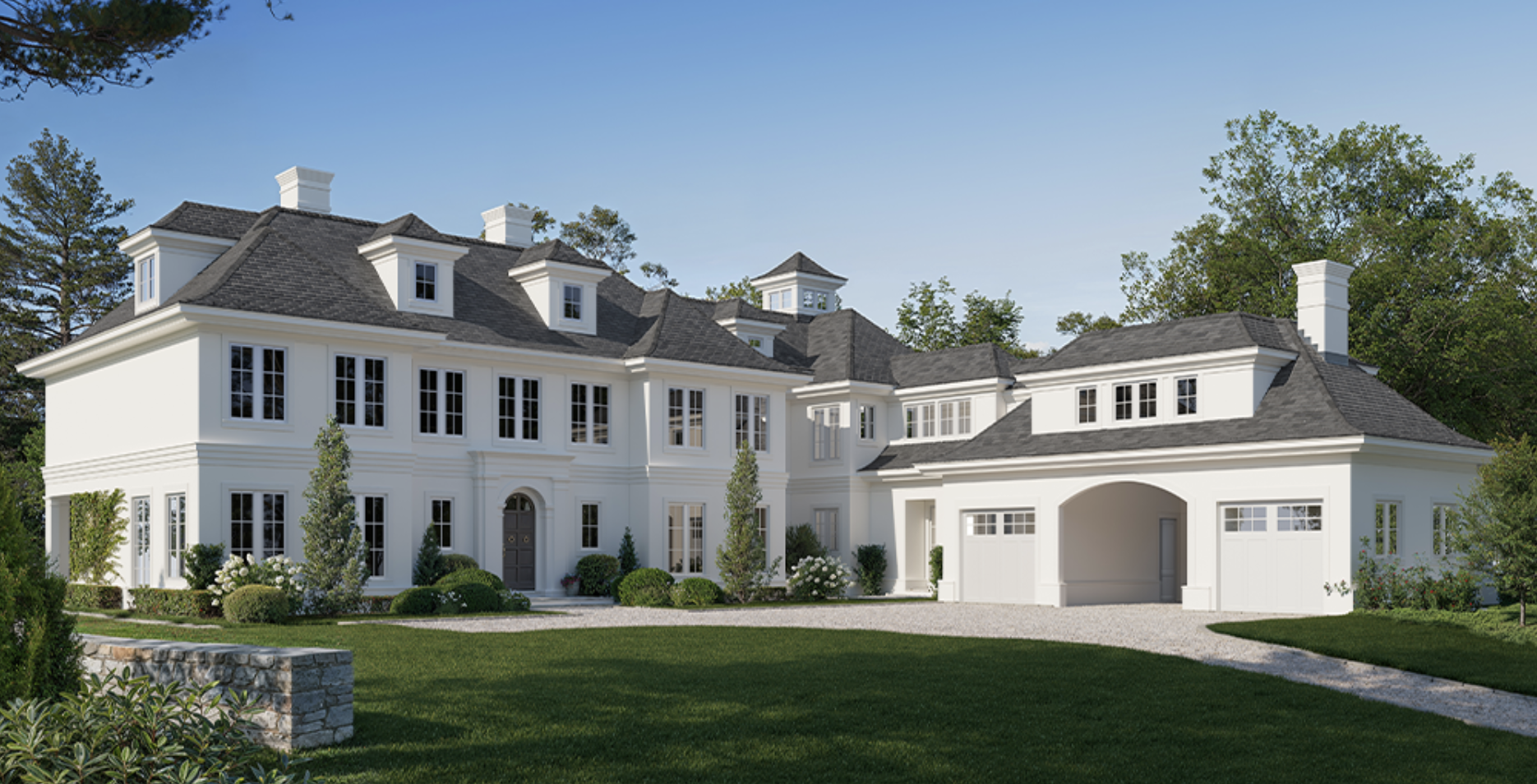
The Planning and Preparation Behind Every Well-Built Home
Long before the foundation gets poured, a successful home begins with planning. Preparation may be one of the first visible construction milestones, but much of the most important work happens beforehand.
For a custom residence, this early phase sets the tone for everything that follows. At Steven Mueller Architects, thoughtful preparation helps avoid delays, protects the design intent, and ensures the home is positioned to perform beautifully for years to come.
#1. Understanding the Property
Every site presents its own opportunities and constraints. Before construction starts, the property must be carefully evaluated.
This often includes:
Topographic surveys to understand grading and elevation changes
Property boundary verification
Soil conditions and drainage review
Existing trees, stone walls, or natural features worth preserving
Local zoning setbacks and coverage limitations
These details influence where the home sits on the land and how it connects to the surrounding landscape.
#2. Refining the Architectural Plans
Before we can begin, the design must be fully developed beyond initial sketches. This phase often includes:
Floor plan refinement
Exterior elevations and proportions
Window and door placement
Structural coordination
Interior flow and room relationships
Material direction for exterior finishes
Well-resolved plans reduce field changes later and create a smoother construction process.
#3. Engineering and Structural Coordination
Once the design is established, engineers help translate the vision into something that can be built.
This may involve:
Foundation engineering
Structural framing
Drainage and stormwater planning
Mechanical, electrical, and plumbing coordination
Energy code compliance
Strong collaboration between the architect, builder, and engineers is essential at this stage.
#4. Permits and Approvals
Most municipalities require formal approvals before excavation or foundation work can begin.
Depending on the property, this may include:
Building permits
Zoning approvals
Wetlands or conservation review
Historic district approvals
Septic or utility approvals
Coastal area management review
Navigating this process early helps maintain project momentum. Once approvals are in place, the property is prepared for construction. Only after this preparation can excavation of the foundation begin.
#5. Why This Phase Matters
The work completed before the foundation is poured often determines how smoothly the rest of the project unfolds. A carefully planned pre-construction phase can help reduce costly surprises, protect the construction timeline, and support long-term structural integrity.
A beautiful home is rarely the result of rushed decisions.
Get Started with SMA
Considering a new residential project in Greenwich, Connecticut? Connect with Principal Architect Steven Mueller, AIA, to inquire about the firm’s services. Explore recently completed and in-progress projects to see how each home is thoughtfully shaped by landscape, context, and lifestyle.