The Role of Artificial Intelligence in Architecture
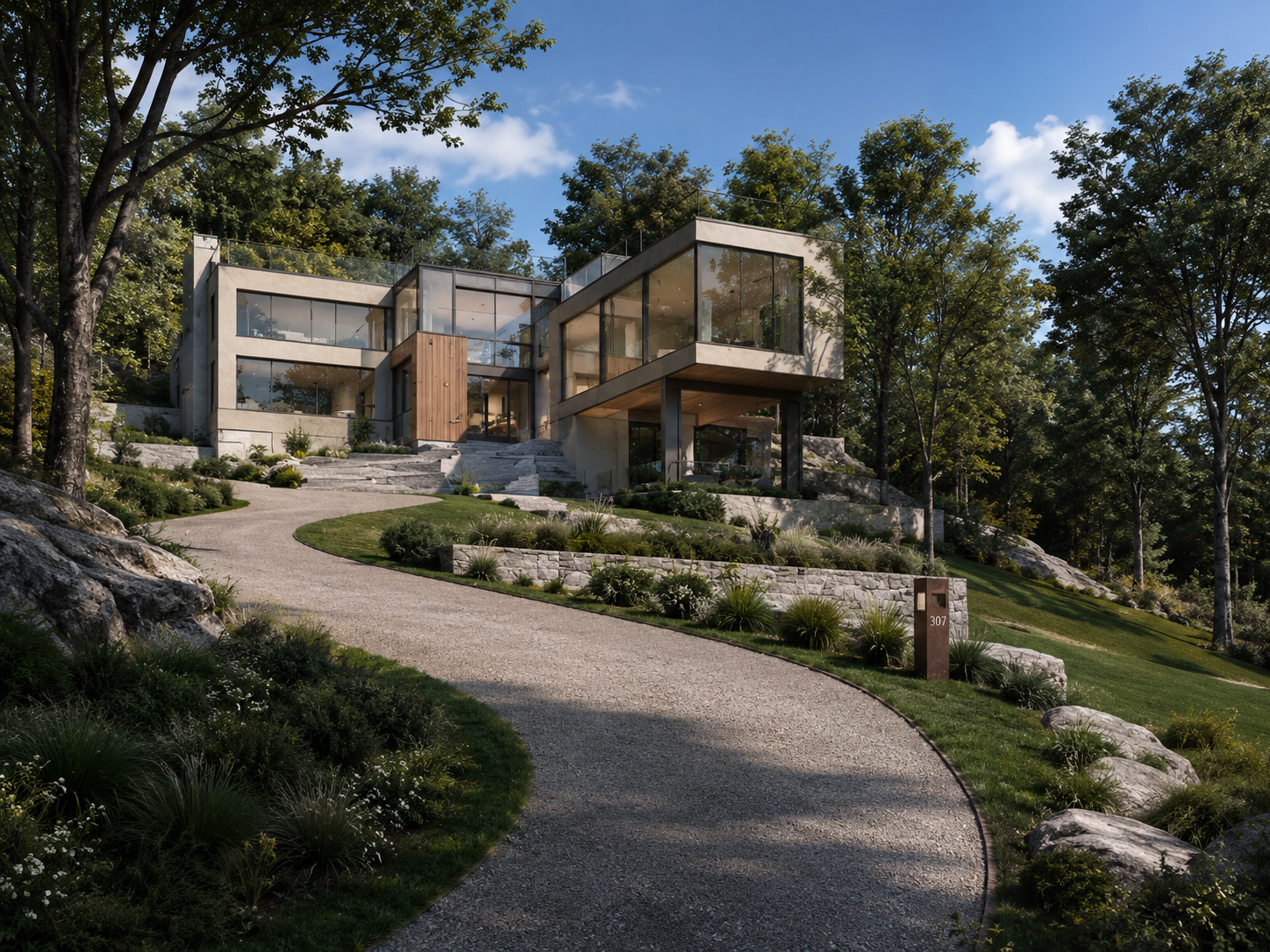
How New Technology Can Support the Design Process
Artificial intelligence is here to stay. Platforms like ChatGPT, Claude, and Gemini are changing how architects explore, visualize, and communicate design ideas. While AI cannot replace traditional architectural processes, it has become a valuable resource for developing early concepts and helping clients better understand how a project may take shape. It can support certain aspects of the design process, but its value is greatest when guided by architectural knowledge, experience, and judgment.
How Is AI Used in Architecture?
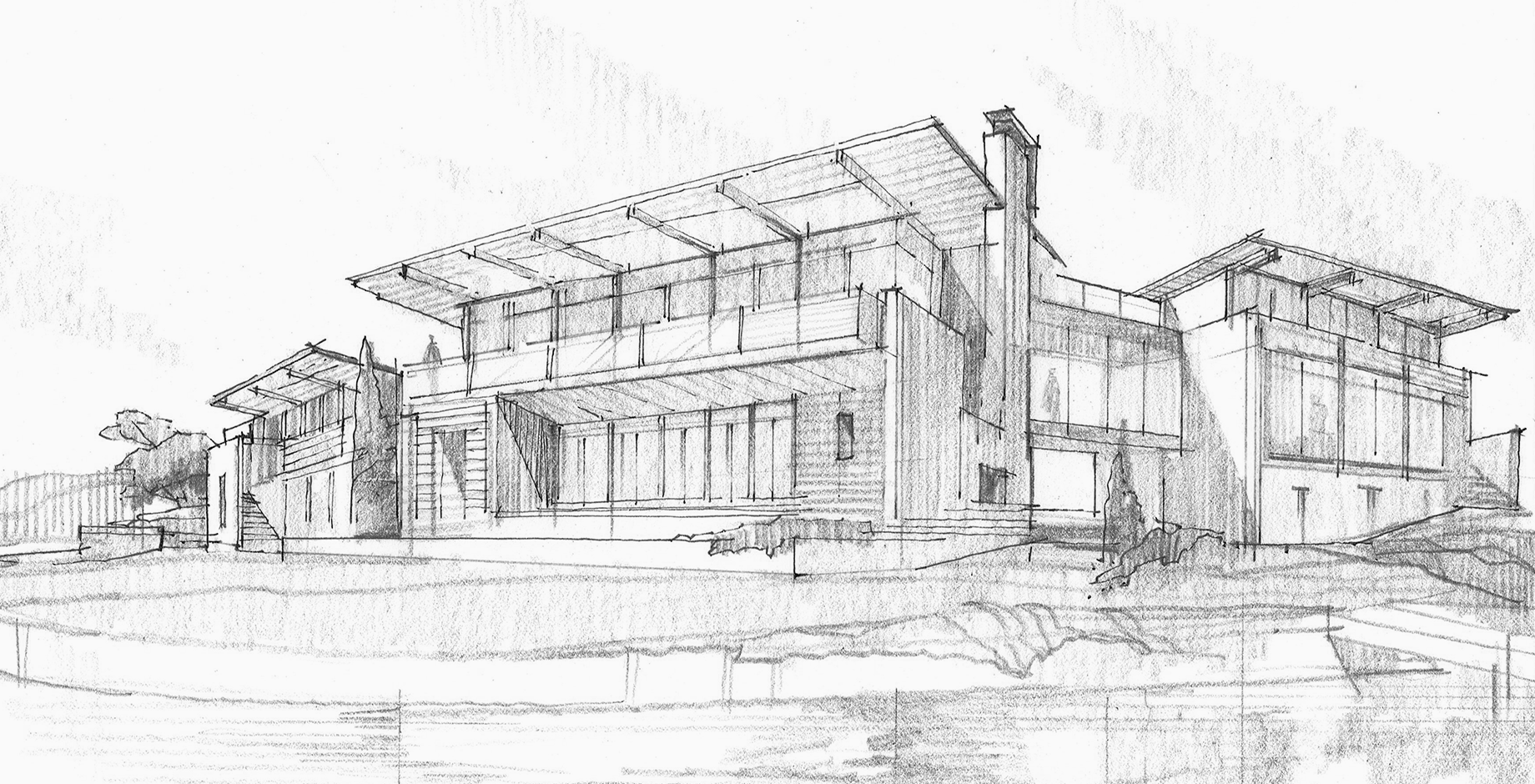
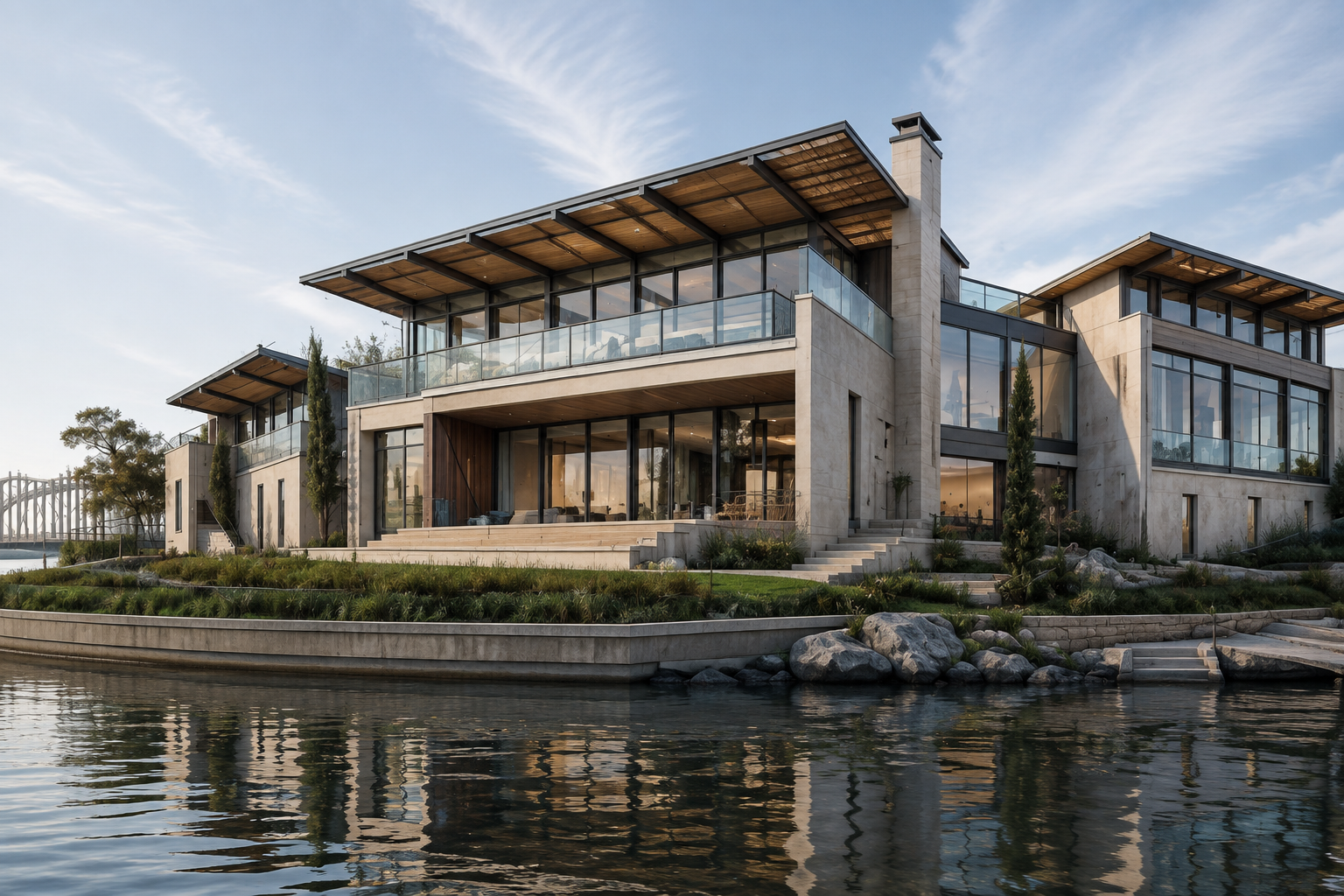
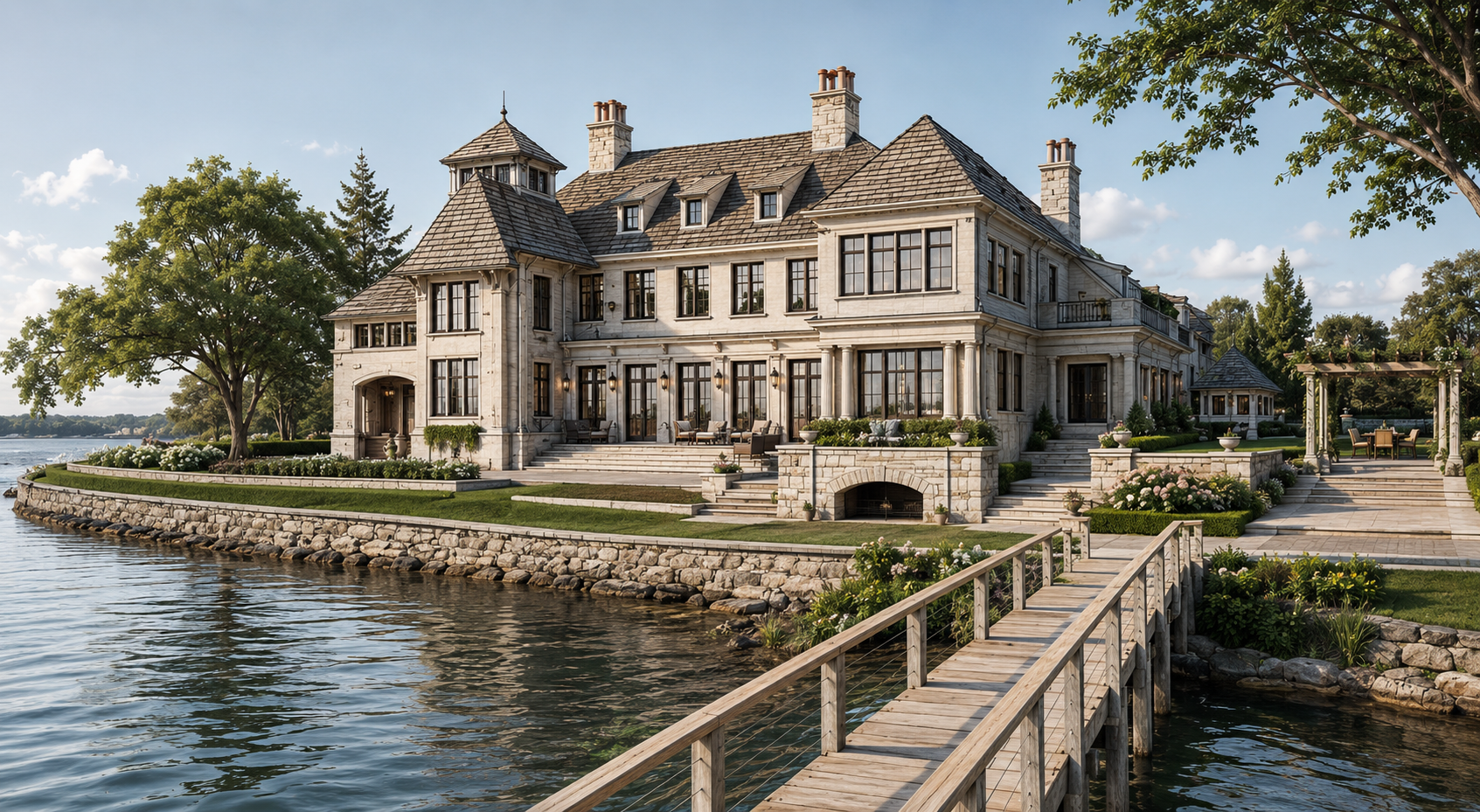
AI can be useful during the early stages of architectural design, particularly when exploring and communicating ideas. A hand sketch, for example, can be developed into a more realistic rendering or three-dimensional study. This can help illustrate the massing of a home, roof forms, window placement, and the relationship between the residence and its surroundings.
With an output generated in seconds, these 3D renderings provide another way for homeowners to evaluate a concept before every architectural detail has been resolved. They can also encourage productive conversations about proportion, materials, views, and the overall character of the home. The image itself is not the final design. It’s meant to demonstrate one possible direction.
Using AI To Explore Design Options
Architectural design is an iterative process. AI can make some of this early exploration more efficient. An architect may use visualization tools to study how different materials could affect the appearance of a facade, how landscaping may frame the architecture, or how a concept could appear under different lighting conditions.
Three-dimensional tools can also make architectural drawings easier for clients to understand. Floor plans, elevations, and hand sketches contain a significant amount of information, but a dimensional study can provide an additional perspective on scale and form. At Steven Mueller Architects, the value lies in supporting the design process.
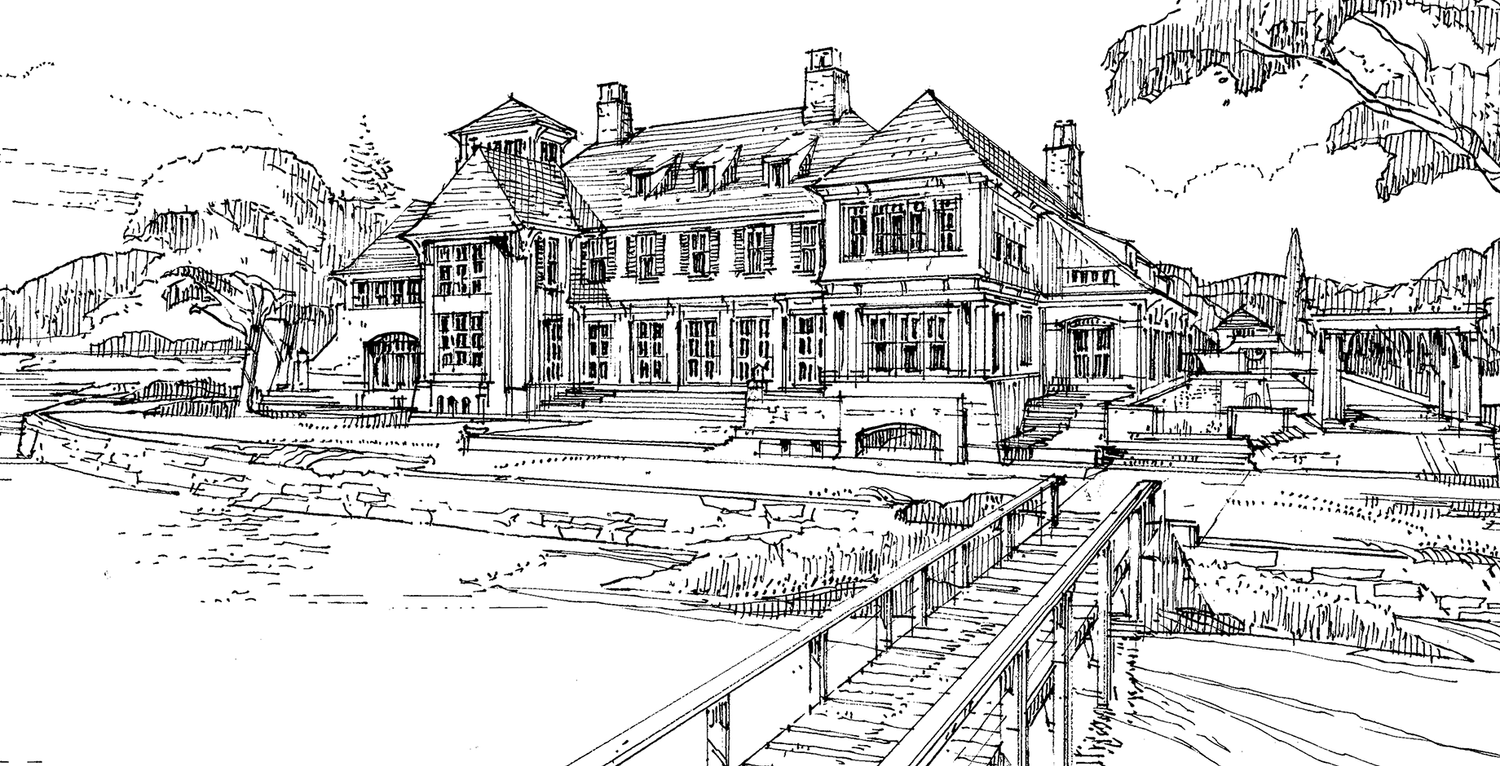
What Can AI Not Replace in Architecture?
Architecture is shaped by far more than what can be seen in a rendering. Every design must respond to the physical, technical, and regulatory conditions of the property. Depending on the project, these factors may include:
Zoning and building requirements
Topography and existing grades
Structural requirements
Drainage and environmental conditions
Building materials and performance
Mechanical and building systems
Construction methods and detailing
AI may help visualize these elements, but it cannot account for how each decision works within the larger architectural system. That coordination is a fundamental part of the architect’s role.
Early design decisions establish the organization and character of the luxury residence. As the project develops, those ideas must be coordinated with engineers, consultants, contractors, interior designers, landscape professionals, and the requirements of the site itself. Materials must be detailed appropriately, building components must connect correctly, and drawings must provide the information necessary for the design to be executed in the field. Technology can support this work, but it does not replace the judgment, coordination, and experience required to understand the complete architectural process.
Architecture has continually incorporated new technology. Three-dimensional modeling and increasingly sophisticated rendering programs have changed how architects develop and present their work. AI represents another step in that evolution. Used appropriately, it can make certain aspects of exploration and visualization more efficient.
The fundamentals of architecture, however, remain unchanged: creating a thoughtful, cohesive, and buildable design that responds to the client, the property, and the requirements of the project.
Award-Winning Architect Steven Mueller, AIA
Based in Greenwich, Connecticut, SMA guides residential projects from concept through completion. As an award-winning firm, we bring a cohesive architectural approach to the home, supporting structures, and surrounding landscape. Contact us to learn more about our residential services.