Home Design: Spaces That Scale for Any Gathering
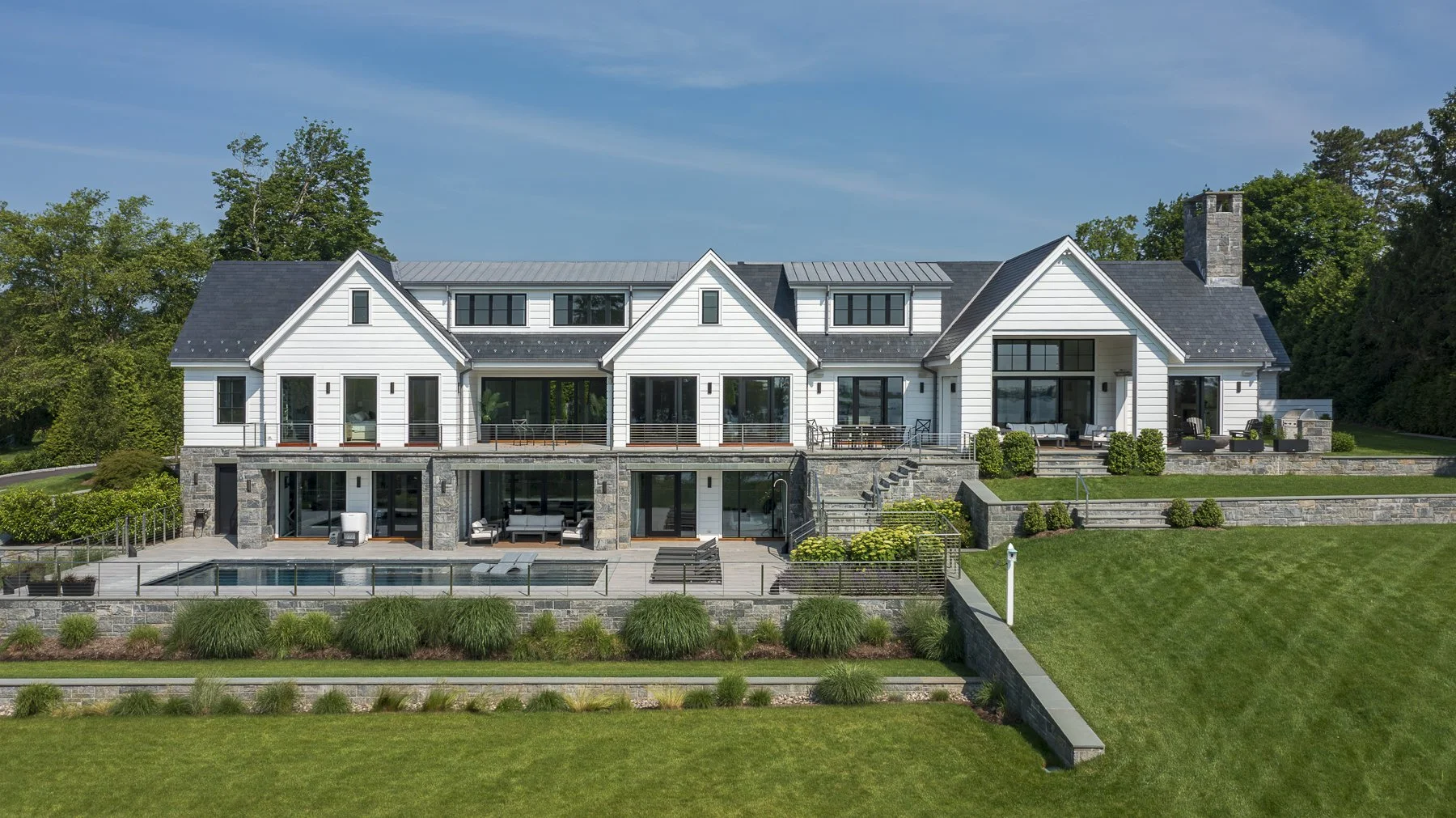
Entertaining at home has had a significant cultural resurgence. Homeowners are increasingly prioritizing spaces designed for gathering that perform as beautifully during a dinner party of 40 as they do on a quiet Tuesday evening. At Steven Mueller Architects, this is exactly the kind of complex, client-driven design challenge we take on from day one.
Why It Starts with Architecture
The difference between a home that entertains well and one that doesn't lies in the underlying architecture. We consider how rooms are oriented to one another, how people move through the home, where the kitchen sits in relation to outdoor spaces, and how the structure opens up when a crowd arrives.
These decisions have to be made at the design and planning stage. An architect shapes the spatial logic of a home before a single wall goes up. At SMA, when a client's lifestyle includes regular entertaining, that intent informs the entire floor plan from the start.
Open Plan & Spatial Flow
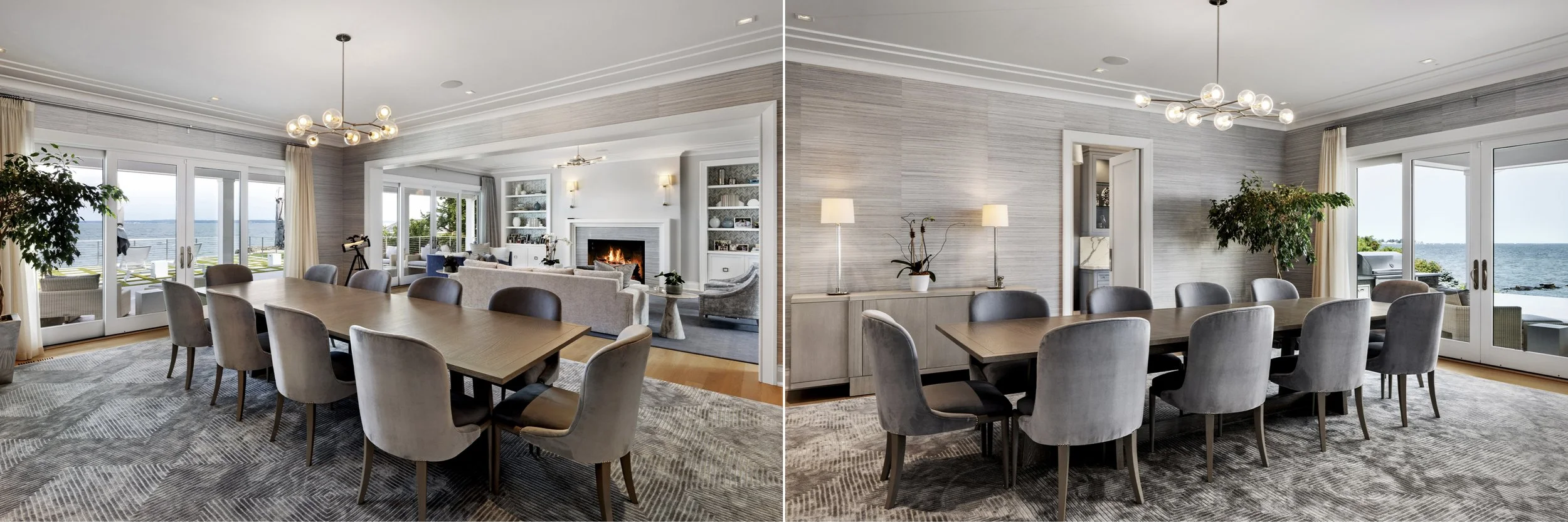
Open floor plans are central to modern entertainment. When the kitchen, dining, and living areas flow naturally into one another, large gatherings unfold with ease. Guests spread out, move between spaces, and the home never feels overrun.
In our Coastal Modern residence in Riverside, Connecticut, the floor plan was organized around exactly this principle. The main living areas open onto terraces that step down toward Long Island Sound, creating a seamless indoor-outdoor progression that naturally distributes guests across multiple levels during an event.
Indoor-Outdoor Living
In Fairfield and Westchester Counties, summer gatherings and waterfront events are central to how our clients live.
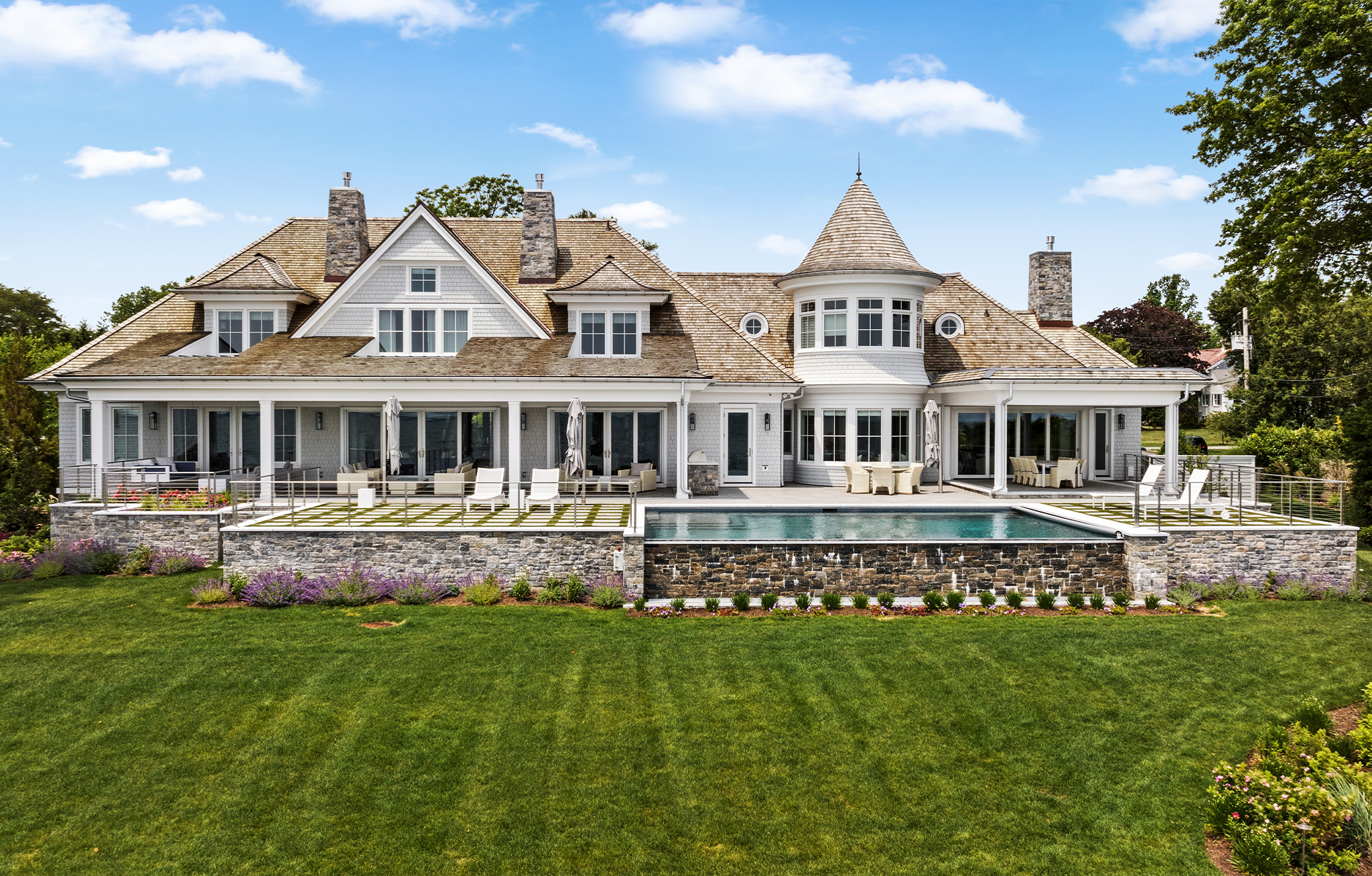
Our Coastal Shingle Style project at Orienta Point in Mamaroneck, New York was designed with sweeping covered porches and terraced gardens that more than double the home's functional entertaining footprint during warmer months.
Curating the right terrace, poolscape, and outdoor dining area involves structural decisions. When an architect designs these spaces from the beginning, everything from the foundation waterproofing to the roof structure to the placement of electrical and gas lines is handled correctly. The result is outdoor spaces that function flawlessly and feel like a true extension of the home.
Functional Infrastructure for Hosting at Scale
The butler's pantry will always be a central design trend. It remains one of the most requested features in homes built for entertaining. When a household regularly hosts large events, the kitchen becomes a working environment during the party. A properly designed butler's pantry, positioned between the kitchen and dining room, gives the host a dedicated staging and service zone that keeps the social spaces uncluttered and calm.
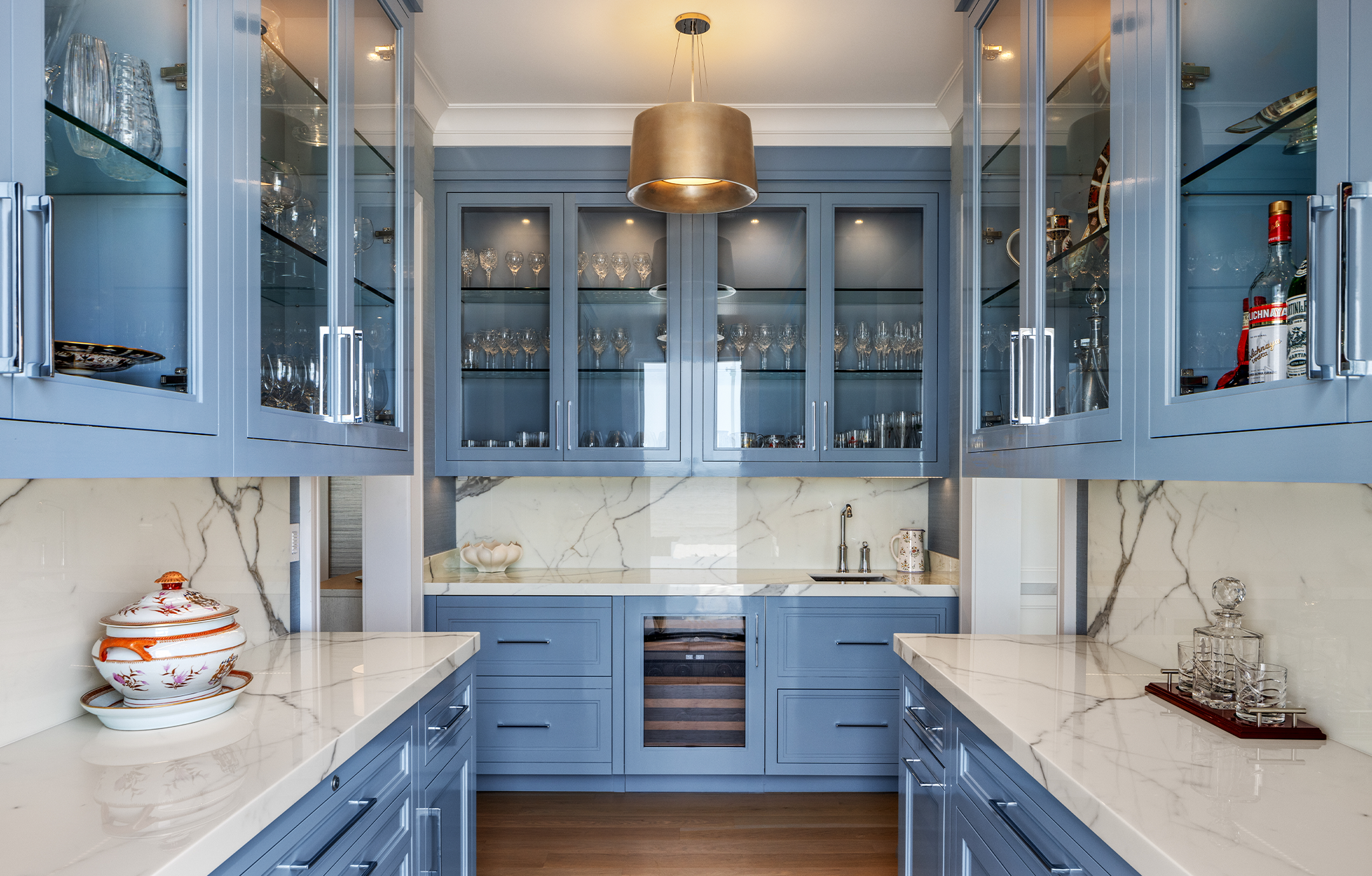
From an architectural standpoint, the butler's pantry requires thoughtful placement in the floor plan, specifically coordination with the kitchen layout. It's one of the clearest examples of architecture directly enabling a lifestyle.
Ceiling Height, Natural Light, and Atmosphere
Natural light is an architectural factor that significantly affects how a home feels during an event. Natural light, controlled through window placement and glazing choices, determines how a space feels at different times of day. Window design and placement are core to how we shape the character of every room.
Working with SMA
Beyond the enjoyment of hosting well, a home designed for entertaining has measurable value. When a home's architecture supports how a family actually lives and entertains, the house becomes a genuine asset. That's what good residential architecture delivers.
At Steven Mueller Architects, every project begins with a conversation. Whether you're building a new home or considering a significant renovation, we'd welcome the opportunity to discuss what's possible. Contact us to learn more about our services.